
One of my exploring partners is a Windsor-area native who has since moved to Newfoundland and become homesick, so when he comes back to visit during x-mas, he always wants to go on some cockamamie roadtrip, which I am always more than happy to oblige. This time around Navi and I were headed back to Saginaw, despite some atrocious winter weather beginning to unfurl.
Out of sheer laziness I am going to jump directly onto Navi's coattails for the research on this one, since he already put together a well-done blog post about our day in Saginaw. Normally researchers get pretty cranky about this kind of blatant copy-catting, but I happen to know that Navi is easily bought-off, and his searing-hot Canadian wrath easily assuaged with just a couple 40oz beers.
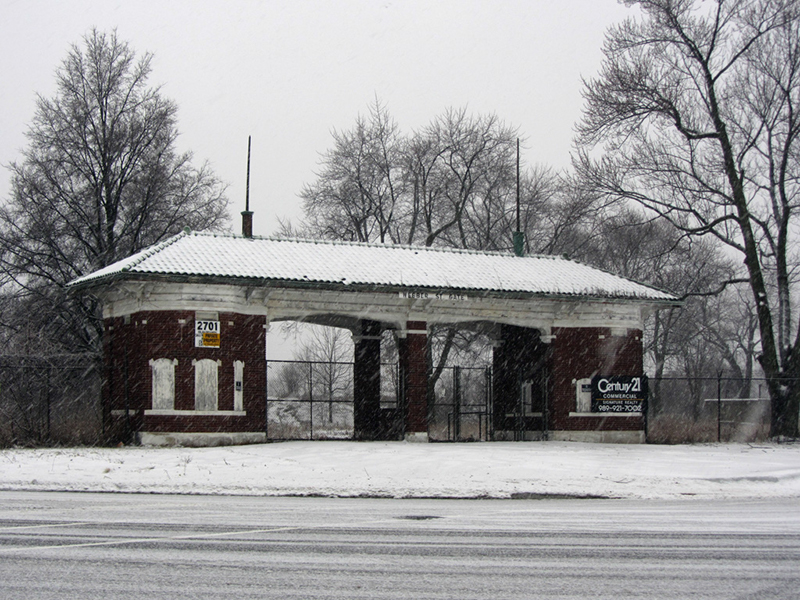
I hadn't realized that this horse raceway at the Saginaw County Fairgrounds was formerly a baseball stadium that had been partially demolished; I was merely going on a tip from Rattler, a Bay City friend of mine who said that it was here and worth checking out.
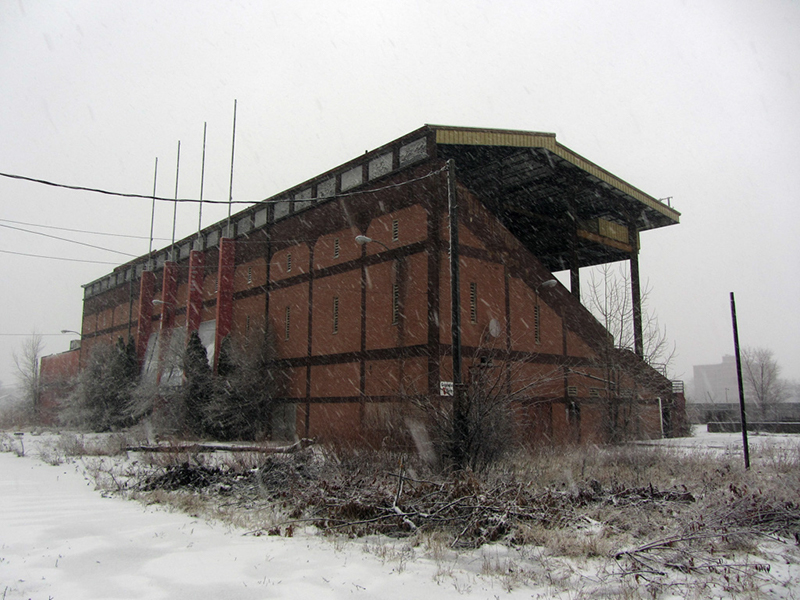
According to Navi's research, it also had its origin as a dirt oval track that was built in the early 1900s by the Saginaw Car Club. The auto enthusiasts built a wooden grandstand to accompany their track, and the property was soon rented by the Saginaw County Fair starting in 1913. The original grandstand was demolished and rebuilt in 1920, then replaced in 1941 with the current structure we see here.
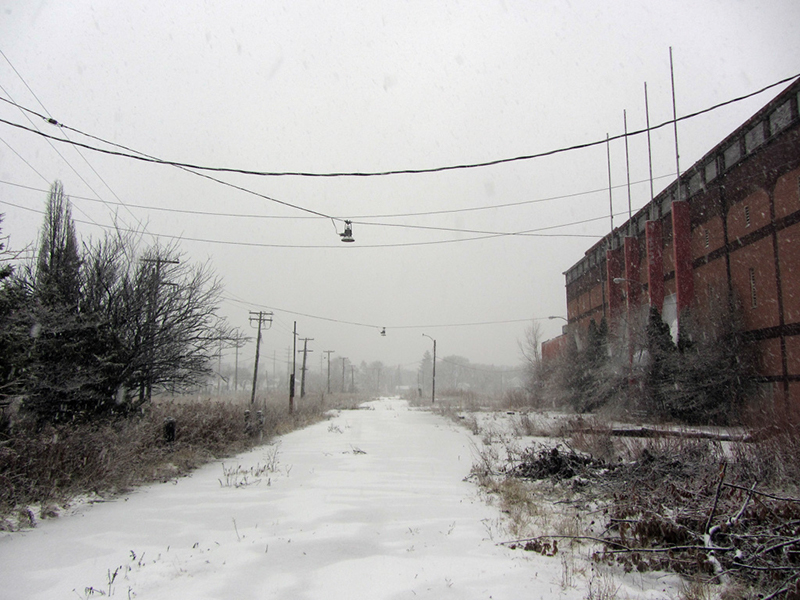
Following years saw this venue's use as a minor league baseball stadium for various teams. Among them were the Saginaw Athletics of the Michigan State League, who called this field home in 1940. The Saginaw White Sox of the c.1900 International League or the Saginaw Aces of the c.1919-1925 Michigan-Ontario League may have also played here at this venue Navi postulates, but he wasn't able to find any confirmation online.
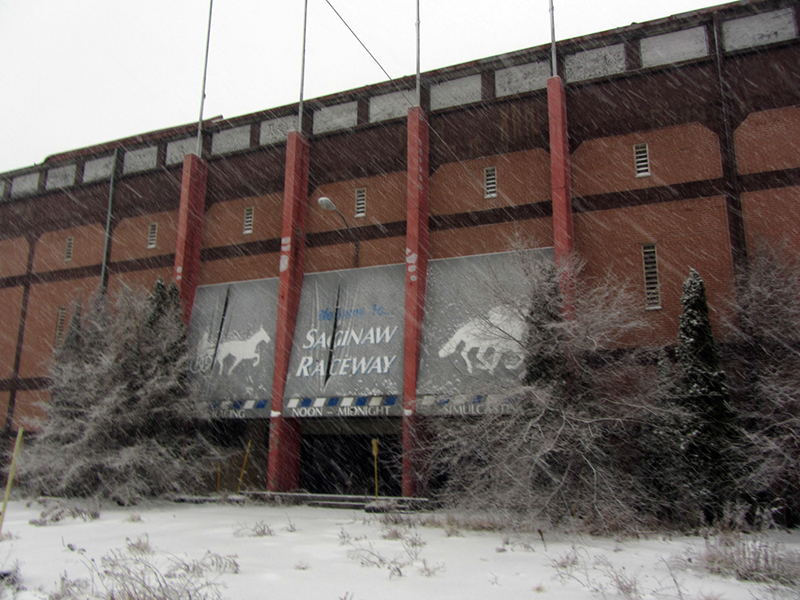
Navi says that the Michigan State League ended up folding during WWII due to wartime shortages of men and disposable income on the homefront. By war's end however baseball was coming back to Saginaw in full force, and it required the construction of a separate stadium, leaving this property to become the permanent county fairgrounds, which was so well established that it even bragged that it was the "best attended county fair east of the Mississippi," with an attendance of 350,000 over the course of the seven-day event.
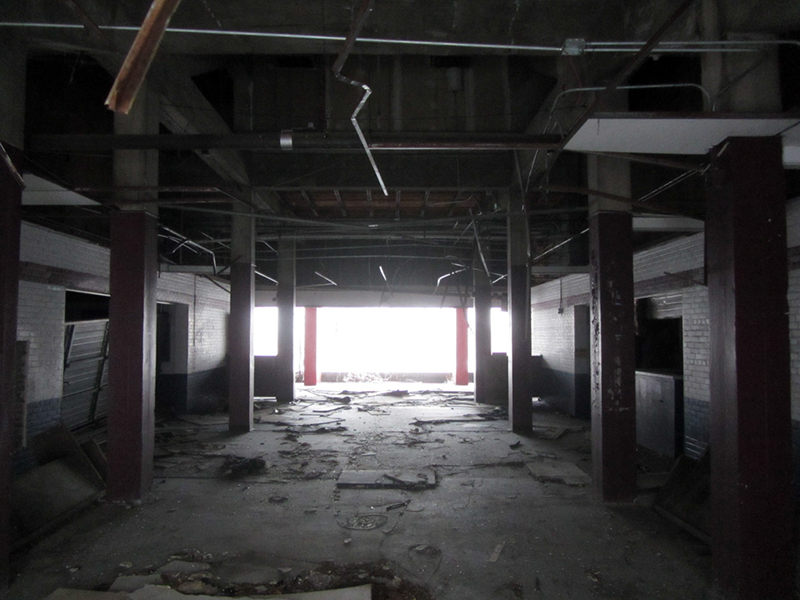
Here at the main entrance, I noticed restroom doors that were your old wooden five-panel style, which was a quaint throwback:
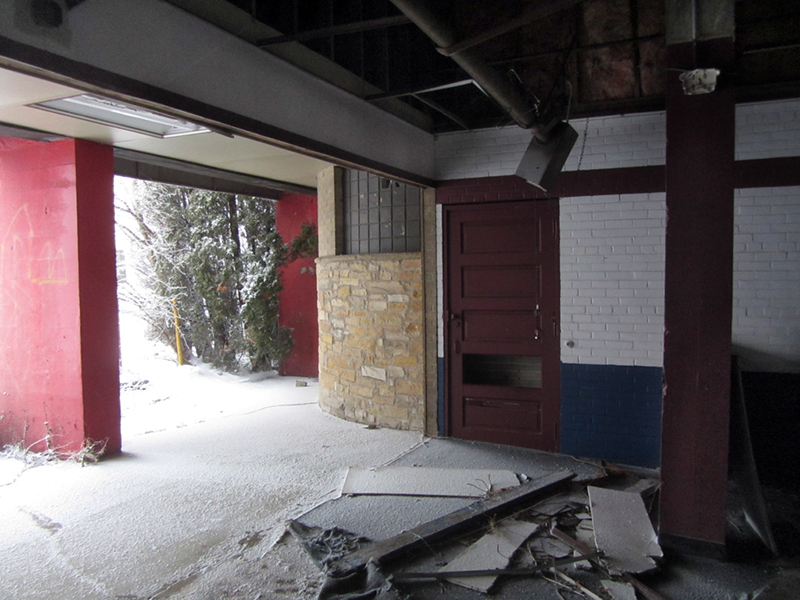
The Rust Belt decline of Saginaw also drove the decline of the Saginaw County Fair, which only drew 6,000 attendees in 2001, its last year on these grounds before moving to Chesaning. Even at its new location in Chesaning, the attendance figures only get to about 26,000, perhaps showing that county fairs just aren't as big of a thing as they were back in the old days.
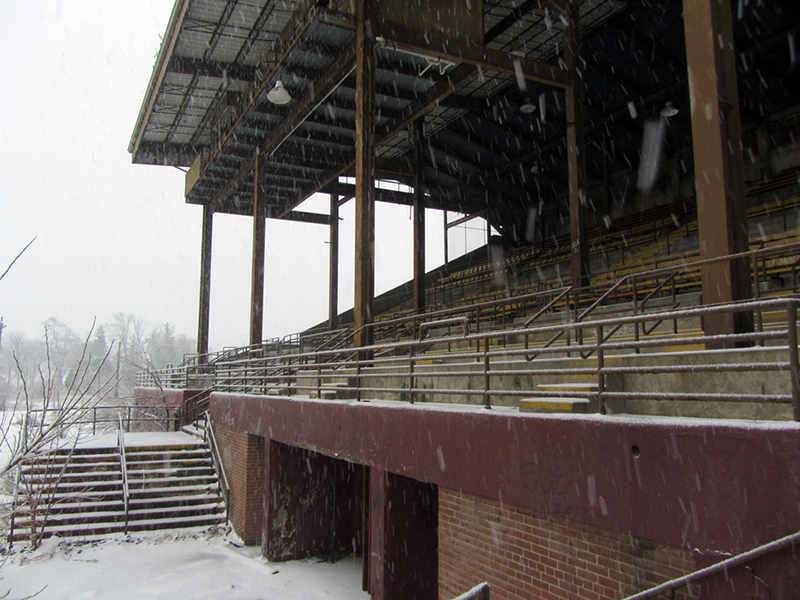
In 1980 the Saginaw Harness Raceway reopened this venue for use as a horse track, although it closed down again in 2005 when the question of allowing "racinos" (gambling on televised races) failed to pass in the Michigan legislature.

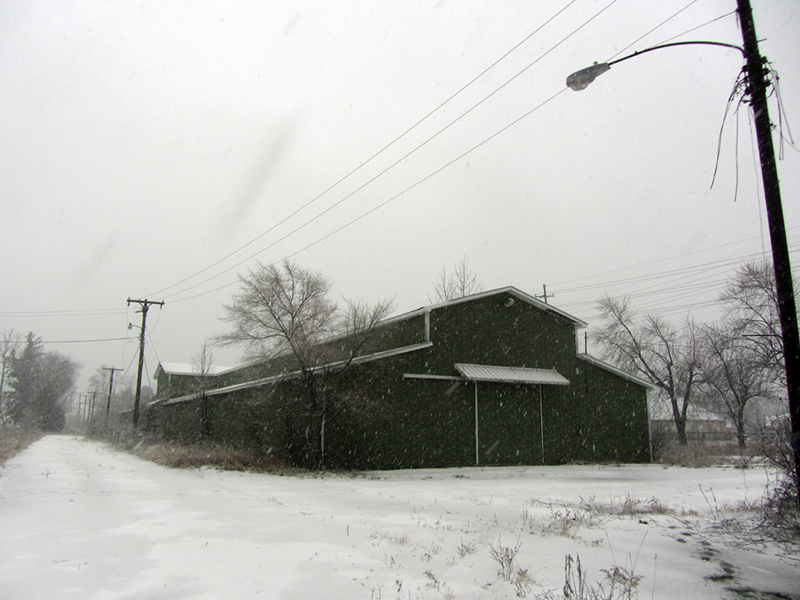
Many of the old sheds and other outbuildings associated with the old county fairgrounds have been demolished, and the property is owned by the Saginaw Housing Commission, who are apparently trying to find a use or a market for the parcel. The ideas so far have ranged from selling it to private developers, building low-income housing, or making it a park.
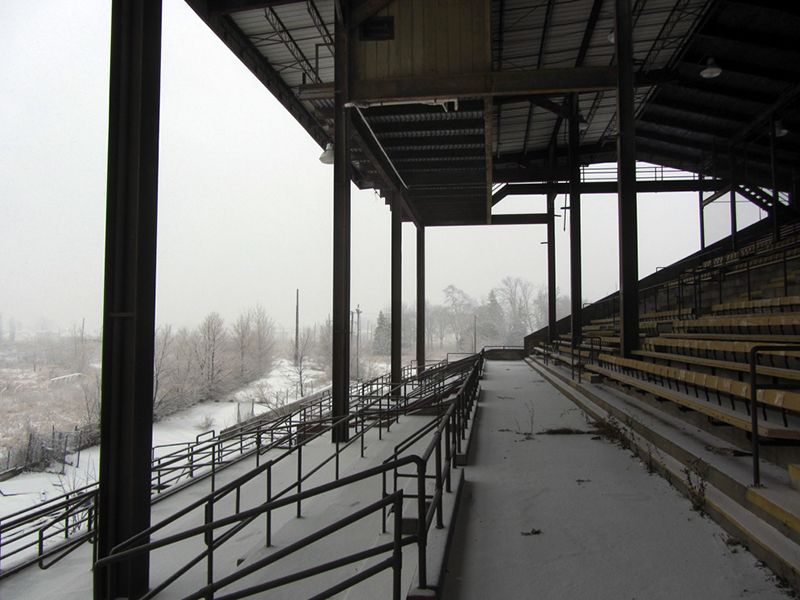
So far it doesn't sound like there is any intent to keep this place around as a venue with a grandstand or racetrack.
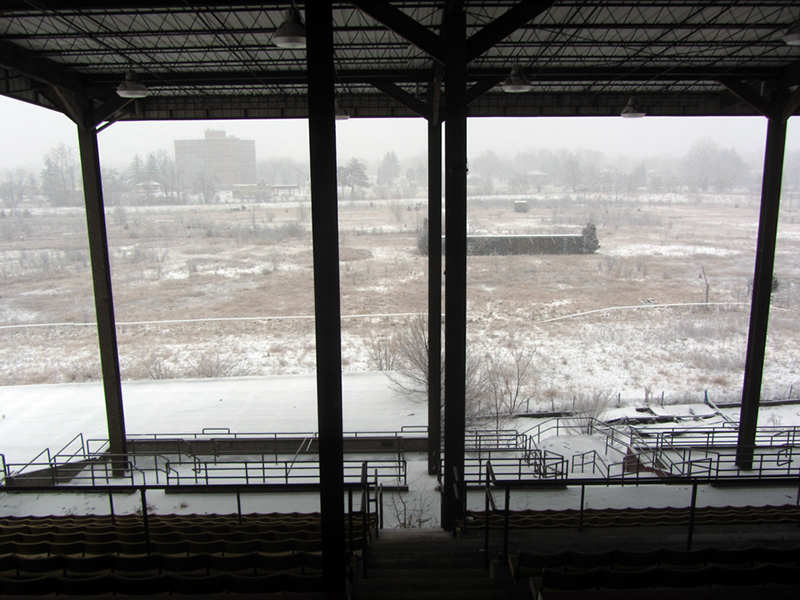
Navi says that most of the internet hits regarding this site are oriented toward its history as the county fairgrounds, and that there are many people who miss the fair being here rather than the race track.
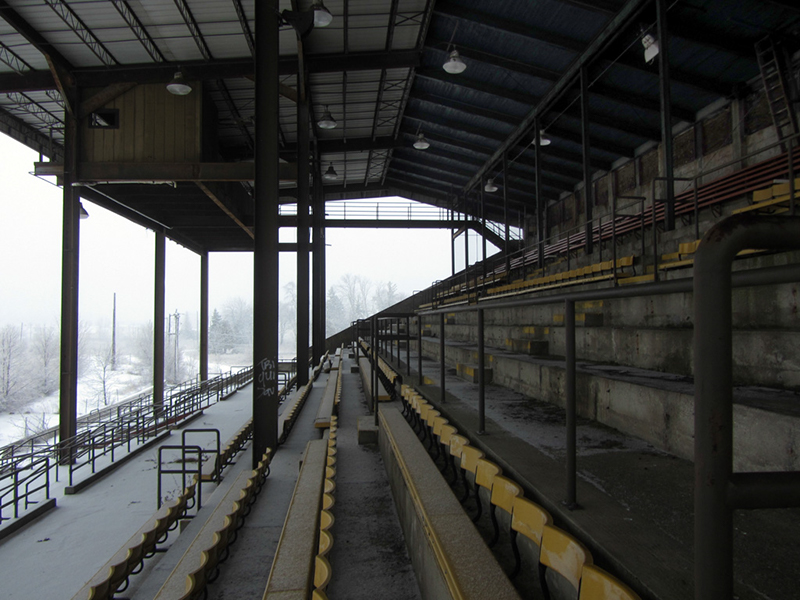
Of course I climbed up to the catwalk that led into the press box...
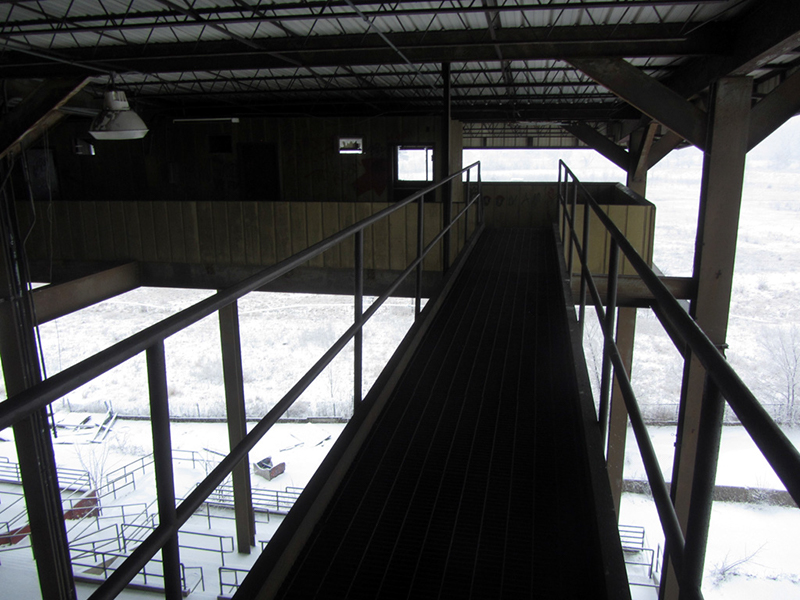
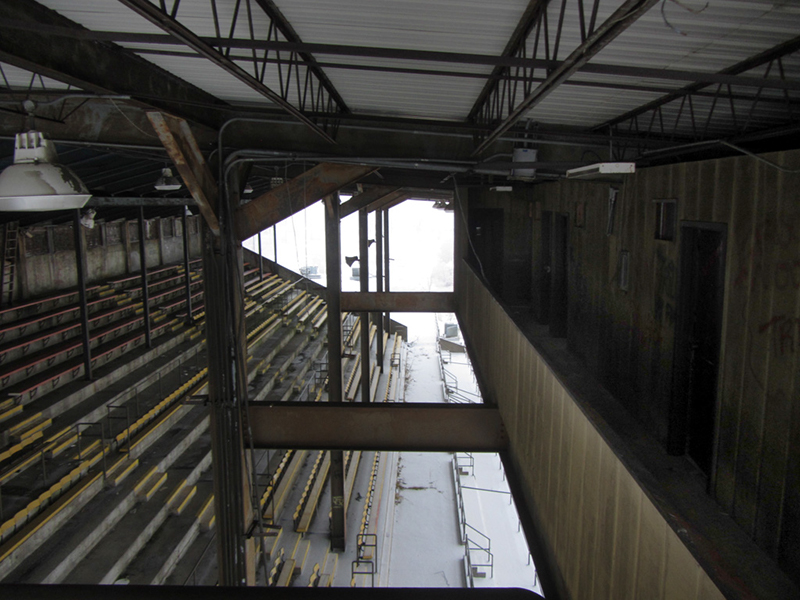
It was a weird, floating sensation being up here.
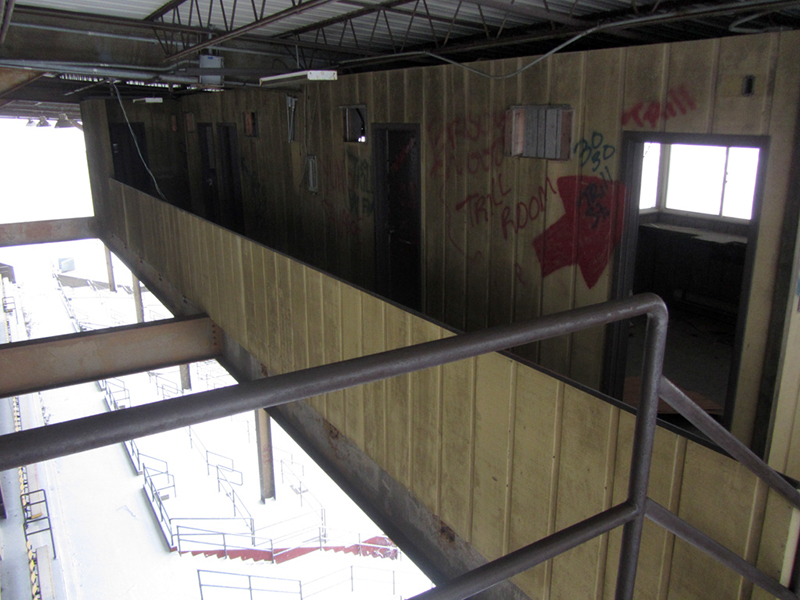
The rooms were mostly empty, but it was clear that they had been used for broadcasting and other media uses.
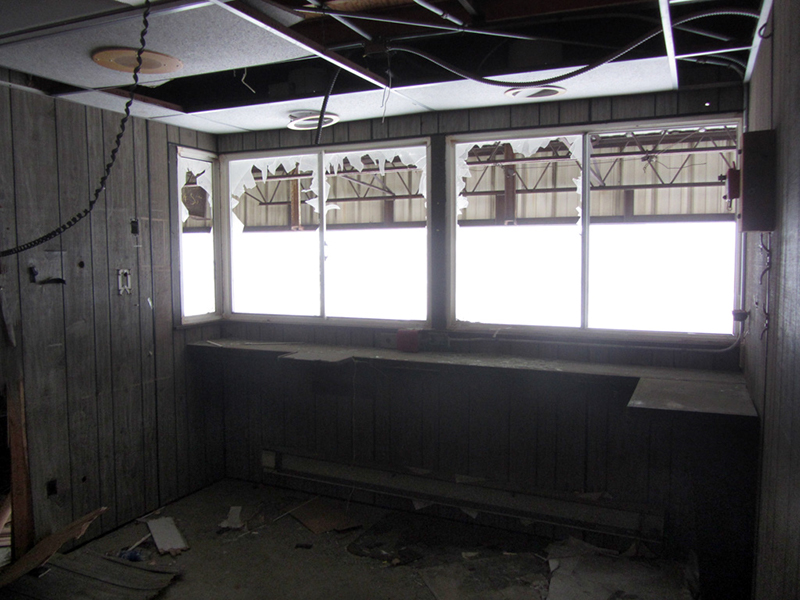
It was in this room, housed in the shelving bracket seen here, that I believe the "photo finish" camera was housed:
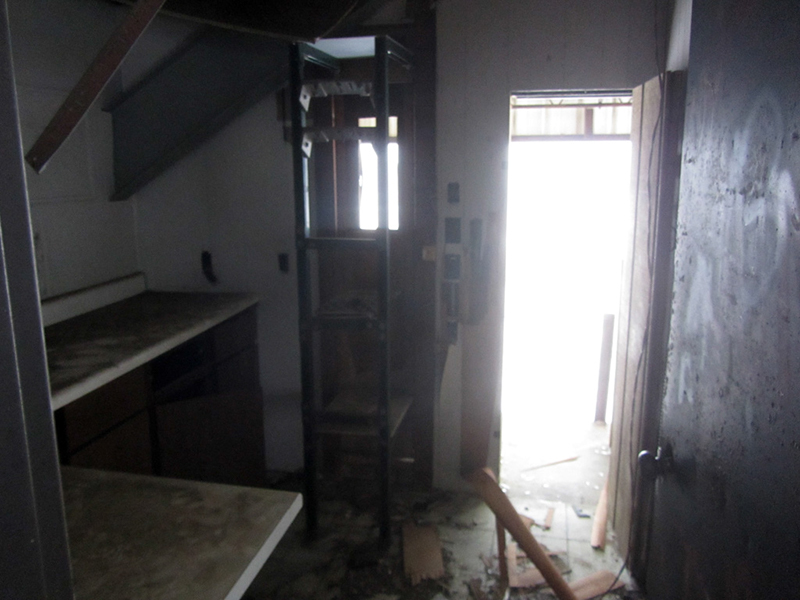
That would of course be the special camera that was used to determine the results of very close races.
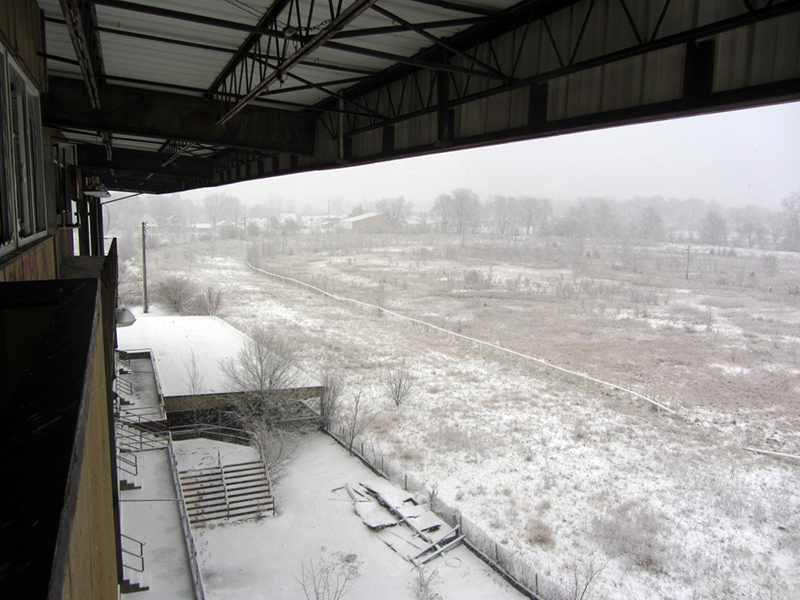
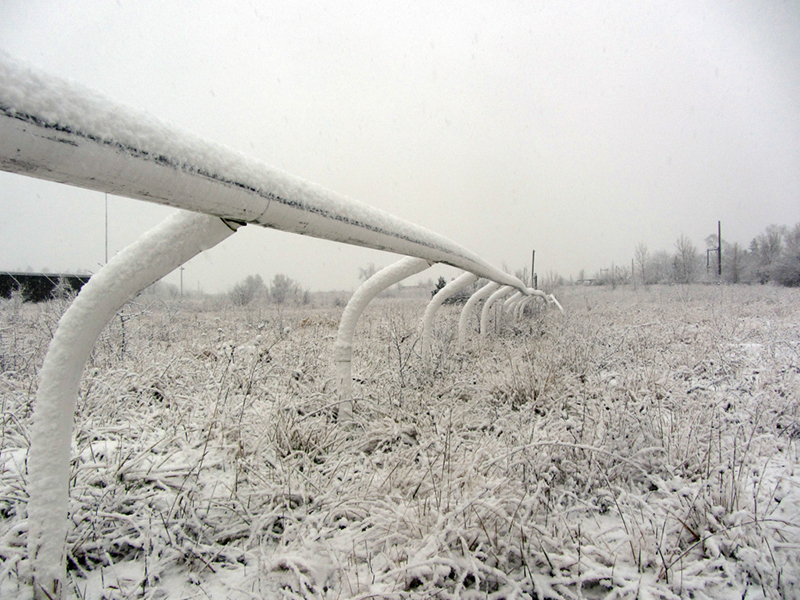
Out to the right you can see that the curved, banked track had become quite overgrown:
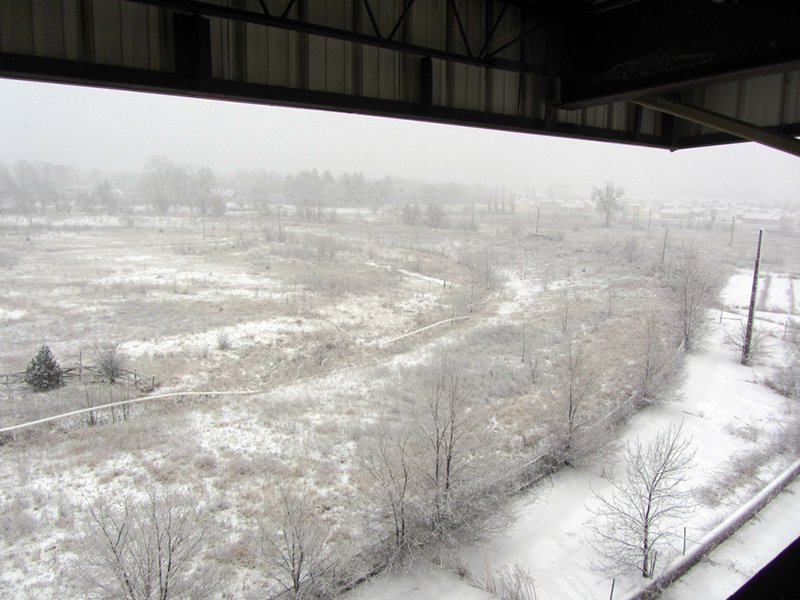
This was probably the last standing stables:
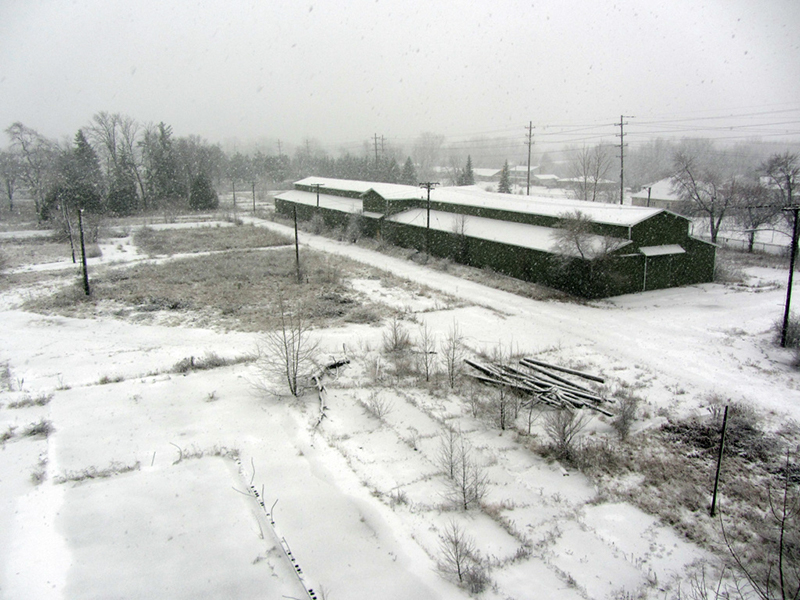
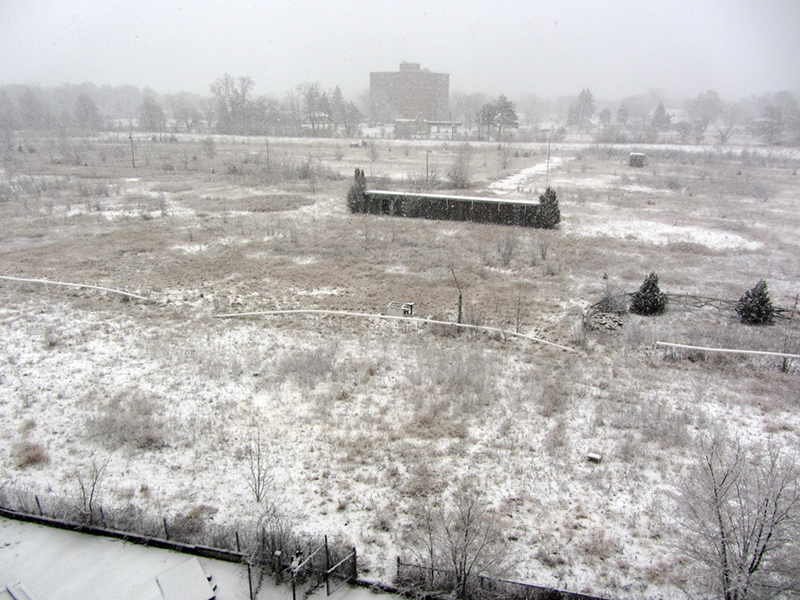
Out in the infield, the long scoreboard building can be seen, and what I think is a public housing tower in the distance:
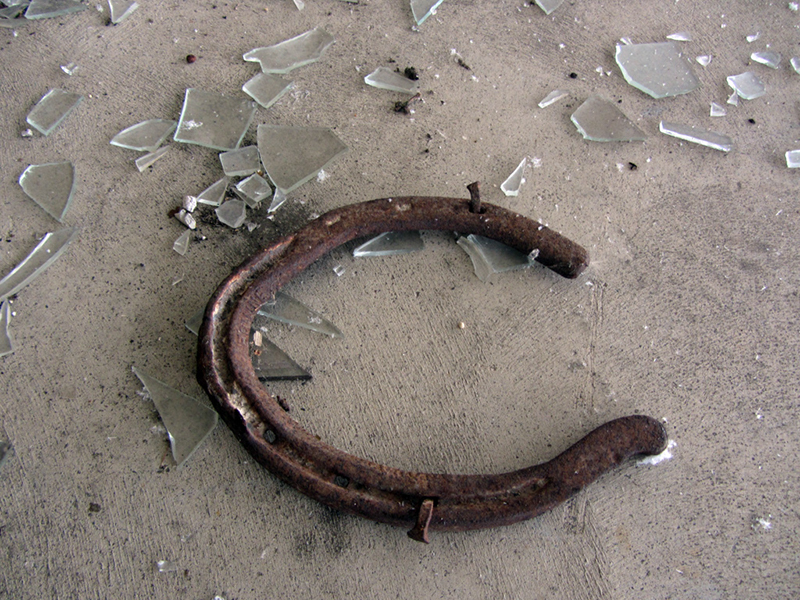
A horseshoe, perhaps a lucky one, that had fallen from its place above a door:
Another media suite:
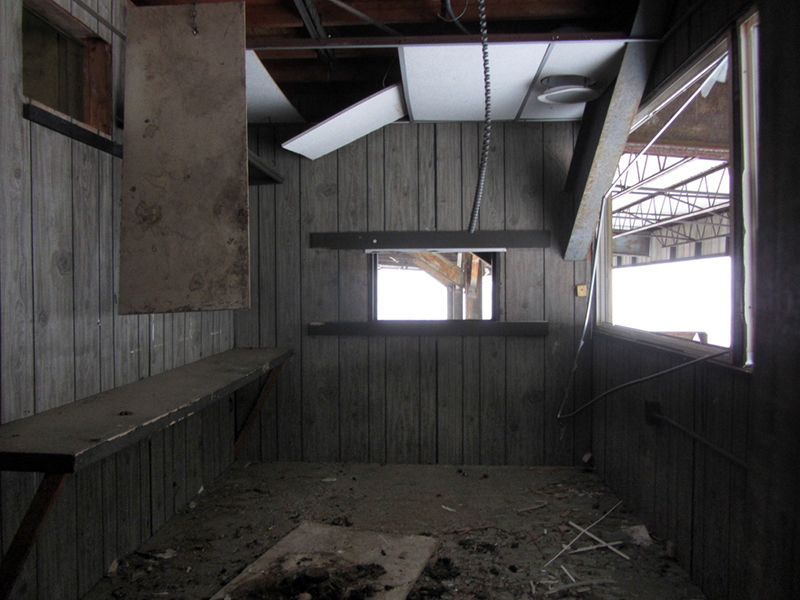
There was a lot of cable and film developing apparatus still strewn around.

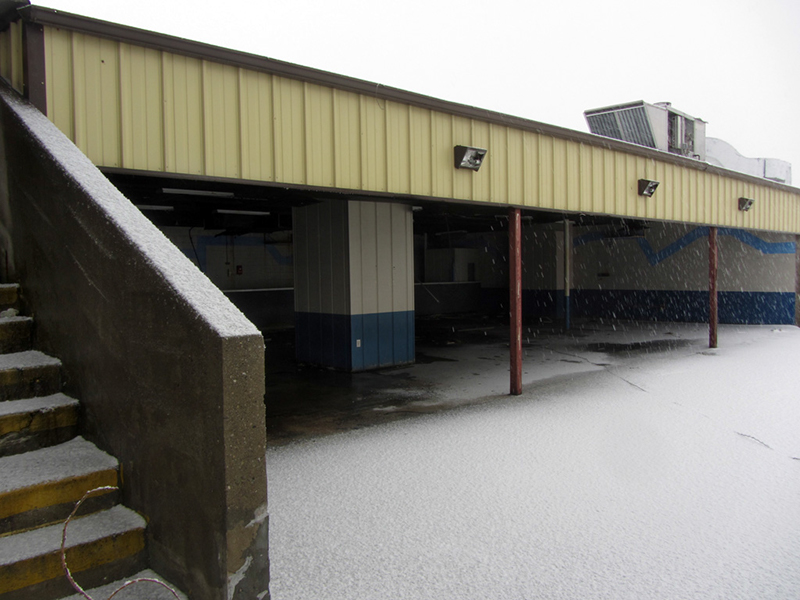
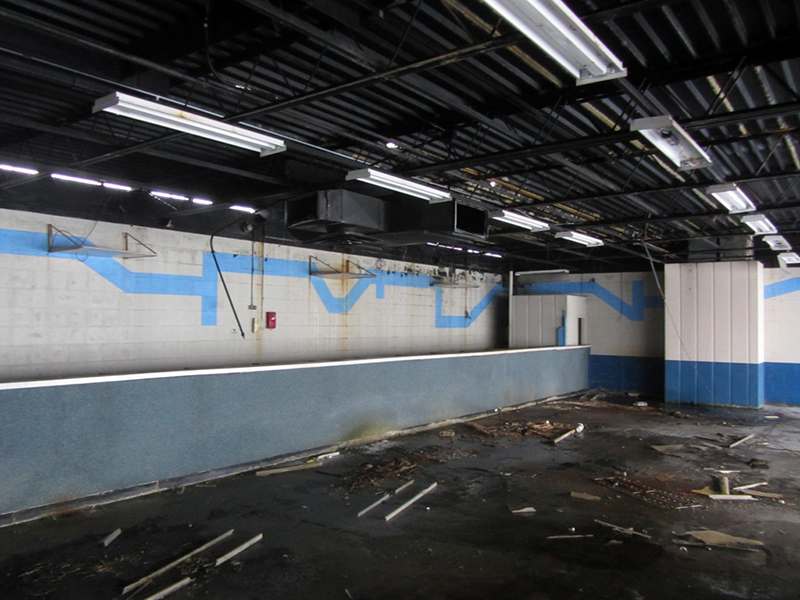
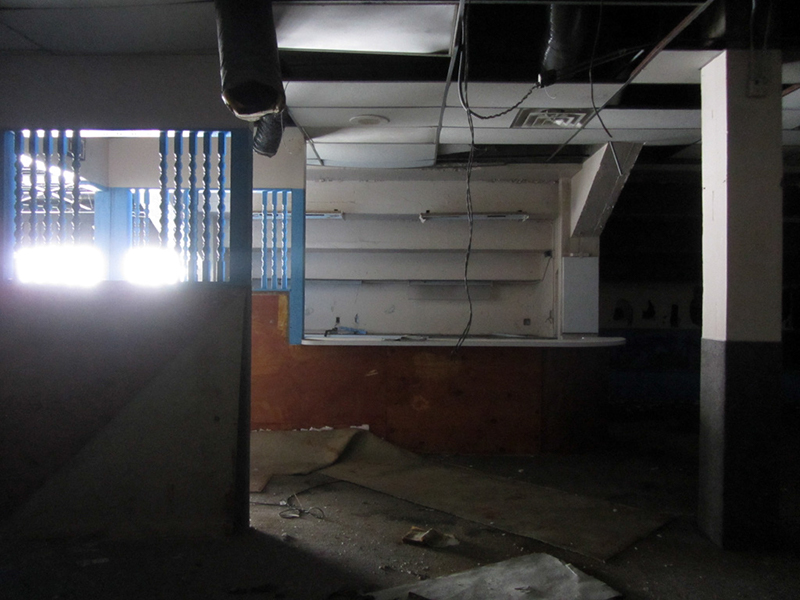
Down next to the grandstand was an area dedicated to the placing of bets and the acquiring of adult beverages...
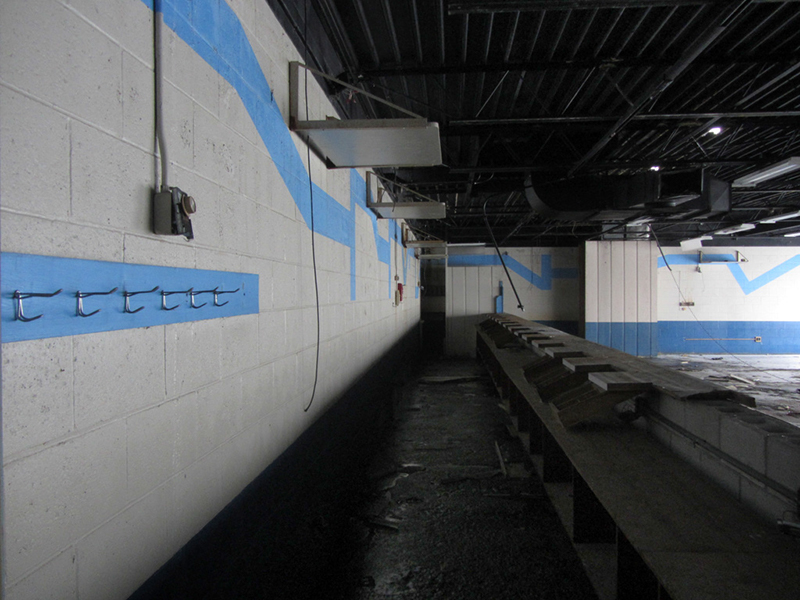
Inside was sort of a combination of old decor and a fancy modern paint job.
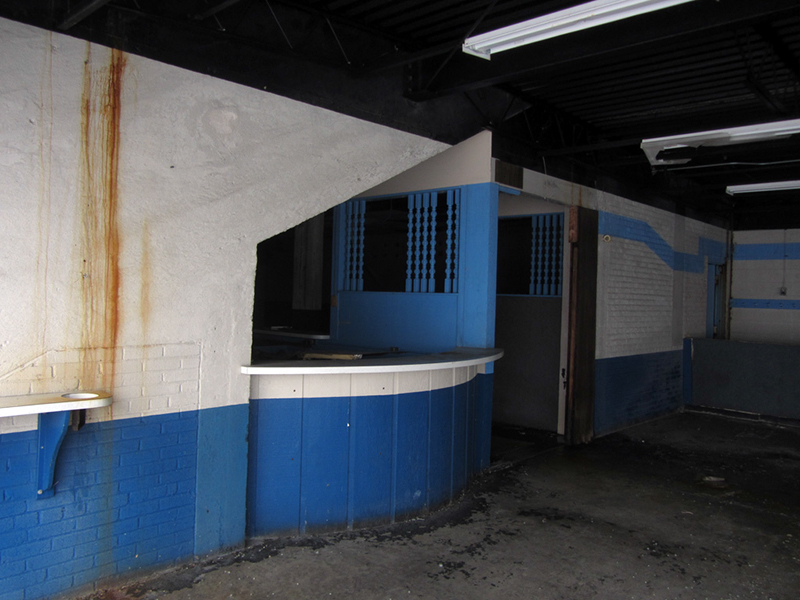
"Gentlemen, place your bets..."
"Gentlemen, hang your coats..."
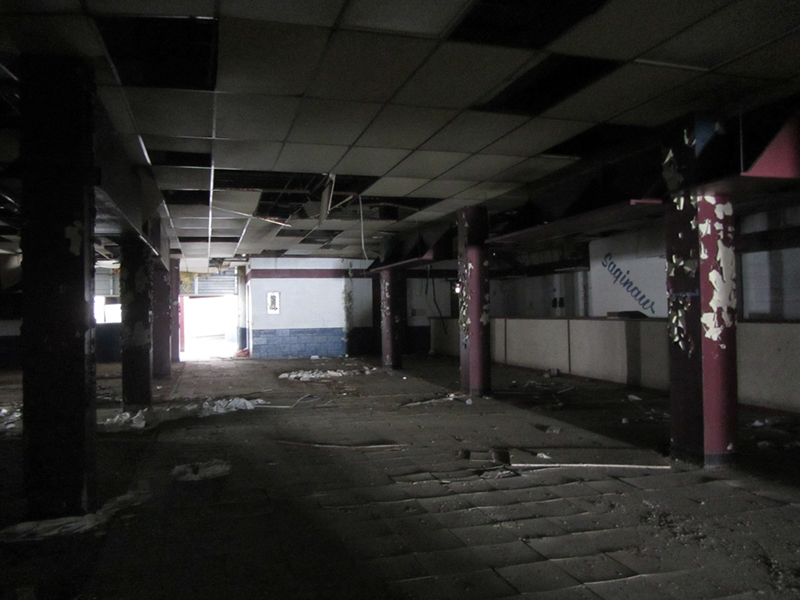
Results board:

We decided to walk out to the infield, to check out the building that housed the scoreboard.
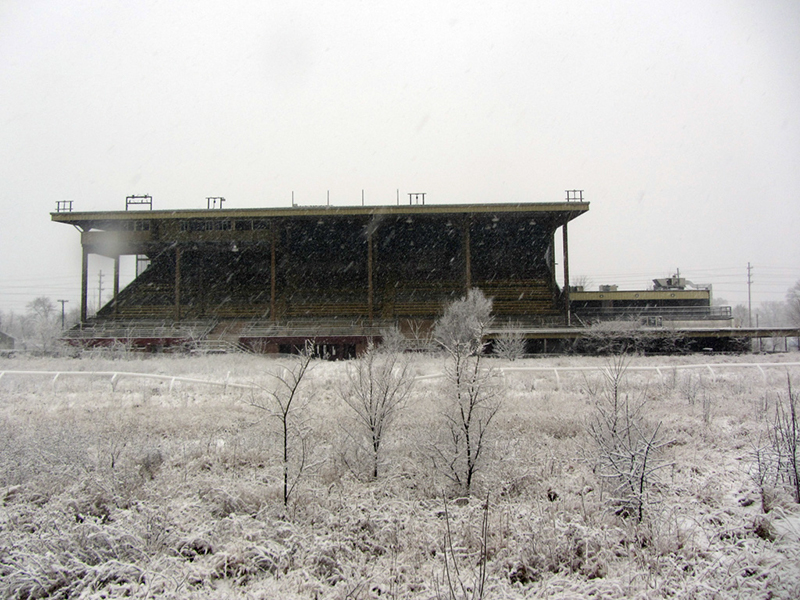
It was right about here that I was really wishing we had managed to get coffee before trying all this snow-trudgery.
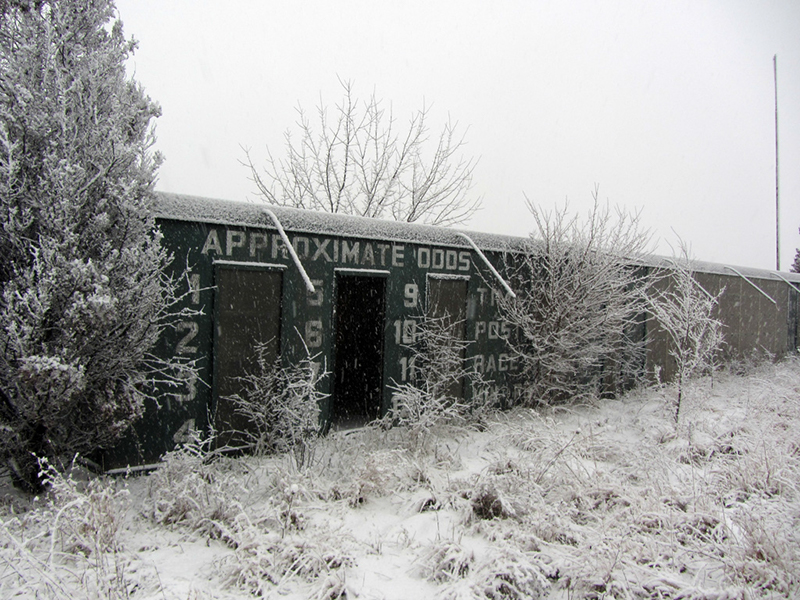
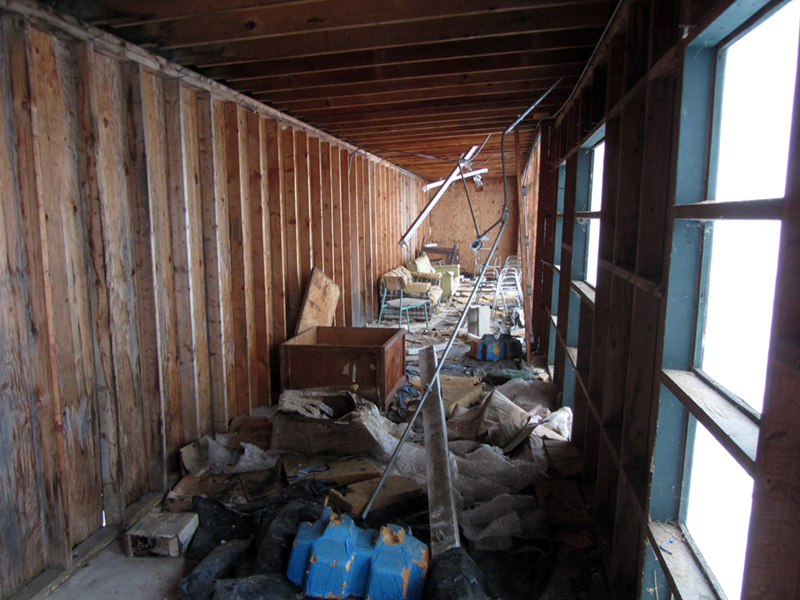
Inside...
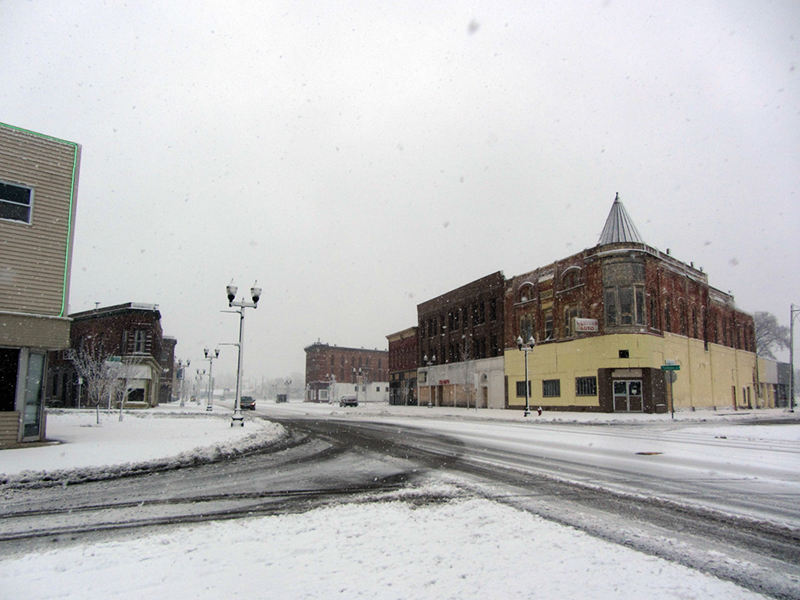
After departing the old fairgrounds, we took a tour through a section of downtown Saginaw that I had not really examined before.
Several fancy old brick buildings stood vacant, but due to the declining weather situation and the fact that we had business to attend to in Midland County, I decided to pass up messing with any of these for now, since everything seemed well sealed.
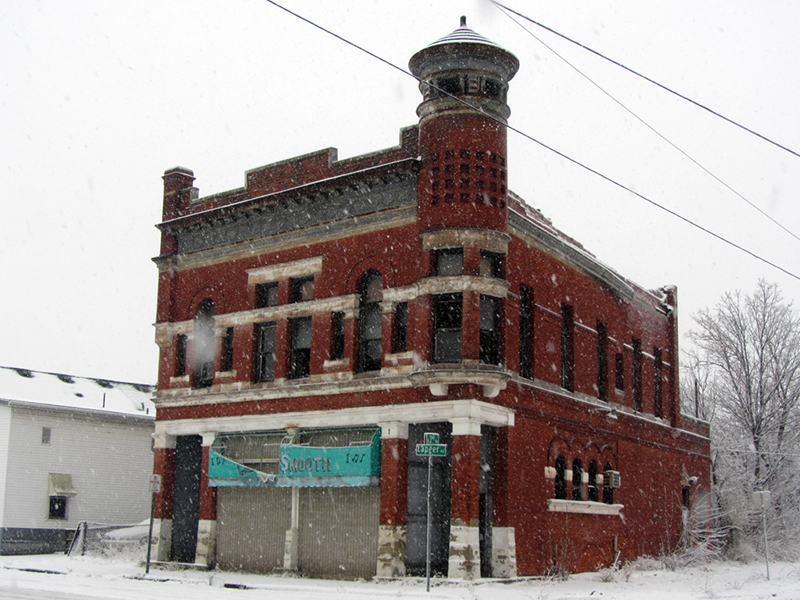
This was a part of Saginaw that I hadn't really spent any time in before...I wasn't sure how I had missed it.
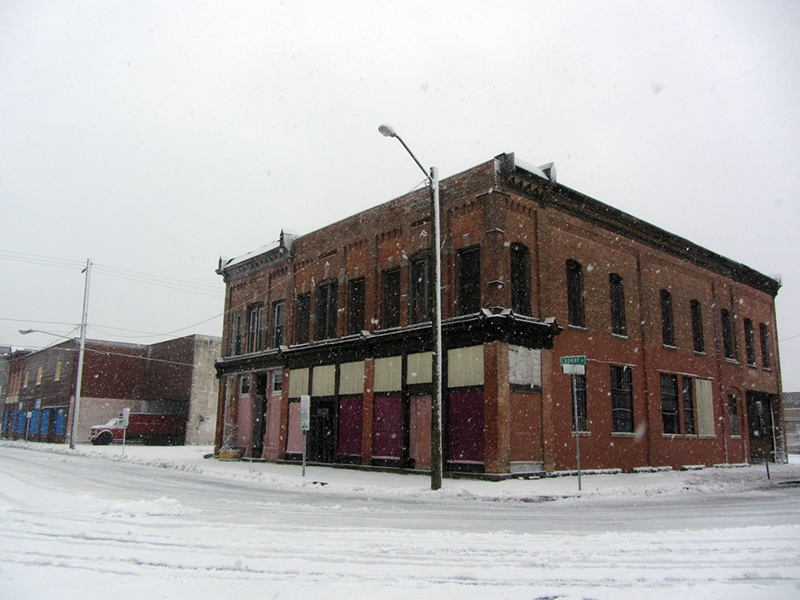
Deserted streets, in the face of the impending snowstorm...
References:


